
Description
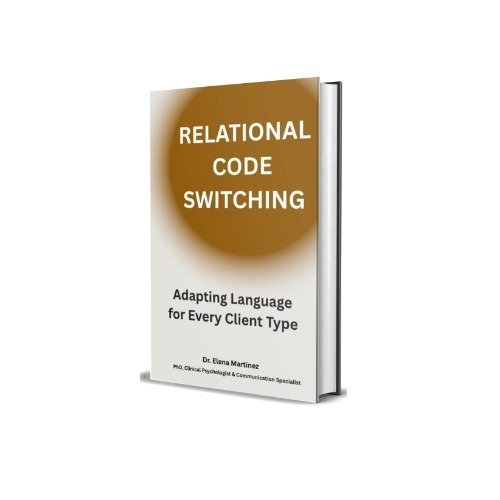
Relational Code-Switching
Adapting Language for Every Client Type
Why Adaptation Matters in Therapy
Therapy is a deeply relational process—one where connection depends not just on what we say, but how we say it. Every client arrives with a unique blend of culture, personality, history, and neurobiology, all of which shape how they hear and respond to language. A phrase that feels comforting to one person might feel confusing, alienating, or even triggering to another. That’s why adapting our language isn’t just a nice-to- have skill; it’s fundamental to effective, ethical, and inclusive therapeutic work.
Defining Relational Code-Switching
Relational code-switching is the art and skill of shifting your communication style—tone, vocabulary, pacing, metaphors— to meet the distinct needs of each client in the room. Borrowing from sociolinguistics, where “code-switching” describes how people alternate between languages or dialects depending on context, this concept invites therapists to be nimble and responsive with their therapeutic voice. It’s about more than translation; it’s about tuning into the client’s inner world and relational rhythm.
The Clinical and Ethical Imperative for Inclusive Communication
In our increasingly diverse world, the call for cultural humility and inclusion has never been stronger. Therapists have an ethical responsibility to create environments where every client feels seen, heard, and respected. This means recognizing how language itself can exclude or empower, soothe or inadvertently retraumatize. Through relational code-switching, clinicians can dismantle barriers to engagement, foster trust, and support deeper healing across differences.
How This Book Will Expand Your Relational Toolkit
This book offers a practical, clinically grounded roadmap to mastering adaptive communication. Whether you work with children, neurodivergent clients, people from different cultural backgrounds, or those navigating trauma, you’ll find concrete strategies, reflective exercises, and real-world examples to help you tailor your language with nuance and compassion.
By cultivating relational code-switching, you’ll deepen your attunement, increase client engagement, and unlock new pathways for transformation—making your therapy more accessible, effective, and resonant for every client you serve.


Reviews
There are no reviews yet.