
How to Be a Better Partner
A practical path to show up with care, repair with honesty, and grow love through everyday actions
🗓 Your 5-Week Journey
Week 1
Self-Awareness
(Seeing your patterns)
(Seeing your patterns)
Week 2
Deep Listening
(Presence over fixing)
(Presence over fixing)
Week 3
Honest Expression
(Truth + care)
(Truth + care)
Week 4
Repair & Apology
(Restoring trust)
(Restoring trust)
Week 5
Growth Commitment
(Small actions, lasting love)
(Small actions, lasting love)
✅ Each week: one skill, one practice, one step toward being the partner you want to be.
➤ You’re not aiming for perfection. You’re choosing presence — again and again.
What will you move through in this 5-week journey?
• Stop repeating the same mistakes — without meaning to
• Listen in a way that makes your partner feel truly seen
• Speak your truth — without pushing love away
• Repair after conflict — without shame or silence
• Grow as a partner — not just hope things improve
Full 5-week system for $99 — less than one therapy session, but gives you tools to stop arguments, feel understood, and rebuild connection that lasts
$ 99,00
-
LevelAll Levels
-
Total Enrolled2
-
Duration1 hour 20 minutes
-
Last UpdatedFebruary 16, 2026
-
CertificateCertificate of completion
Hi, Welcome back!
Course Outcomes
• Pause before reacting — so your words build, not break
• Listen deeply — even when you disagree
• Express needs clearly — without blame or withdrawal
• Apologize in ways that restore trust — not just end tension
• Stay emotionally present — through stress, disappointment, and change
• Listen deeply — even when you disagree
• Express needs clearly — without blame or withdrawal
• Apologize in ways that restore trust — not just end tension
• Stay emotionally present — through stress, disappointment, and change
5.00 (2 Ratings)
What I will learn?
- Notice when your reaction hurts more than helps
- Listen to understand not just to reply
- Express your needs without blame or silence
- Repair small ruptures before they become distance
- Show up as a partner who is present not perfect
Course Curriculum
Intro Peter Zonbloem
-
Intro Peter Zonbloem
01:25
Module 1: Understanding Yourself in Relationships
Understanding Yourself in Relationships
-
Module 1: Understanding Yourself in Relationships
01:52 -
Module 1.1: Recognizing and managing emotions in relationships
03:27 -
Module 1.2 Effective verbal and non-verbal communication
03:27 -
Module 1.3 Active listening techniques Draft Lesson
03:08 -
Module 1.4 Expressing thoughts and feelings assertively
03:50 -
Module 1.5 Empathy in relationships
03:25 -
Module 1.6: Handling conflict and disagreement with emotional intelligence
04:00 -
Module 1.7: Building emotional resilience
04:00
Module 2: Building a Strong Foundation
Trust is a fundamental and foundational element in the establishment and maintenance of a healthy relationship. It serves as the bedrock upon which intimacy, security, and mutual understanding are built. Here's an exploration of the critical role that trust plays in fostering a healthy relationship:
-
Module 2: Building a Strong Foundation
04:25 -
Module 2.1: Rebuilding trust after setbacks
04:25 -
Module 2.2 Honesty and transparency
03:50 -
Module 2.3 Identifying Personal Boundaries
01:35
Module 3 Communicating Personal Boundaries
1. Be Clear and Specific: When communicating boundaries, be clear and specific about what you are comfortable with and what you are not. Use concrete examples to illustrate your points and avoid vague or generalized statements.
-
Communicating Personal Boundaries
02:25 -
Module 3.1 Respecting partner’s boundaries
03:00 -
Module 3.2: Connecting on a deeper emotional level
03:00 -
Module 3.3: Fostering intimacy through shared experiences
03:40 -
Module 3.4: Understanding the importance of physical connection
02:30
Module 4 Conflict Resolution and Problem-Solving
Normalizing conflict in relationships is the recognition and acceptance that disagreements and differing perspectives are natural and inevitable aspects of any partnership. It involves understanding that conflict, when managed constructively, can lead to growth, understanding, and ultimately strengthen the relationship. Normalizing conflict encourages open communication, allowing couples to address issues, express their needs, and work collaboratively to find solutions. It shifts the perspective from viewing conflict as a threat to recognizing it as an opportunity for learning and improvement within the relationship dynamic.
-
Conflict Resolution and Problem-Solving
01:20 -
Module 4.1 Avoiding destructive behaviors during conflicts
02:20
Module 5: Sustaining a Long-Term Partnership
Personal and relationship goals encompass the aspirations and objectives that individuals set for themselves and their partnerships. Personal goals relate to individual growth, development, and achievements, while relationship goals pertain to the mutual aspirations and milestones that couples aim to accomplish together.
-
Sustaining a Long-Term Partnership
04:15 -
Module 5.1 Expressing gratitude in daily life
02:00 -
Module 5.2 Celebrating achievements, big and small
02:00 -
Module 5.3 Cultivating a positive and appreciative mindset
02:50
Module 6: Bringing it All
Setting individual goals is a deeply personal endeavor where individuals define their unique aspirations and outline the steps required for achievement. These goals span various dimensions, including career advancement, personal development, health and wellness, and hobbies.
-
Bringing it All
02:30 -
Module 6.1 Implementing the lessons learned in the course
01:30 -
Module 6.2 Reflecting on progress and making adjustments
03:15
Thank you from Peter
Dear Participants,
As we conclude this journey together, I want to extend my heartfelt thanks to each and every one of you. Your commitment to personal and relational growth has been inspiring, and your active participation in this course has contributed to a shared space of learning and transformation.
-
Thank you from Peter
01:15
Proficiency Evaluation: Assessing Your Course Mastery
Certainly! Here's a refined and diplomatic alternative:
Assessment of Course Mastery:
In order to gauge your comprehension of the course content and its practical application, we invite you to participate in the following assessment. This evaluation aims to reflect your understanding of the key concepts and principles covered throughout the course, providing valuable insights into the depth of your engagement and learning experience. Your thoughtful responses will contribute to a comprehensive overview of your mastery of the material.
-
Quiz 1: Effective Communication Skills
-
Quiz 2: Healthy Conflict Resolution
-
Quiz 3: Understanding Empathy
-
Quiz 4: Importance of Setting Boundaries
-
Quiz 5: Cultivating a Positive Mindset
-
Quiz 6: Rebuilding Trust After Setbacks
-
Quiz 7: Emotional Resilience
-
Quiz 8: Expressing Gratitude in Relationships
-
Quiz 9: Balance Between Independence and Togetherness
-
Quiz 10: Staying Engaged and Connected Over the Years
How to Be a Better Partner ” Case Study
Navigating Through Conflict with Emotional Intelligence.
-
Navigating Through Conflict with Emotional Intelligence.
00:00
Student Ratings & Reviews
5.0
Total 2 Ratings
5
2 Ratings
4
0 Rating
3
0 Rating
2
0 Rating
1
0 Rating

Therapist Peter Zonbloem's course, "How to Be a Better Partner," is a beacon of insight and guidance for those striving to enhance their relationships. Rooted in empathy and practical wisdom, this course offers a comprehensive roadmap to becoming a more attentive, supportive, and communicative partner. Zonbloem skillfully navigates topics such as active listening, conflict resolution, and emotional intelligence, empowering participants to foster healthier connections with their loved ones. With engaging lessons and actionable strategies, this course transcends mere relationship advice, offering transformative tools for personal growth and enriching the bonds we cherish. Whether you're seeking to reignite passion, resolve conflicts, or deepen intimacy, "How to Be a Better Partner" is an invaluable resource for cultivating thriving partnerships. Highly recommended for anyone committed to building stronger, more fulfilling relationships
Bonus
Love Beyond Limits
A Guide to Building a Stronger Relationship
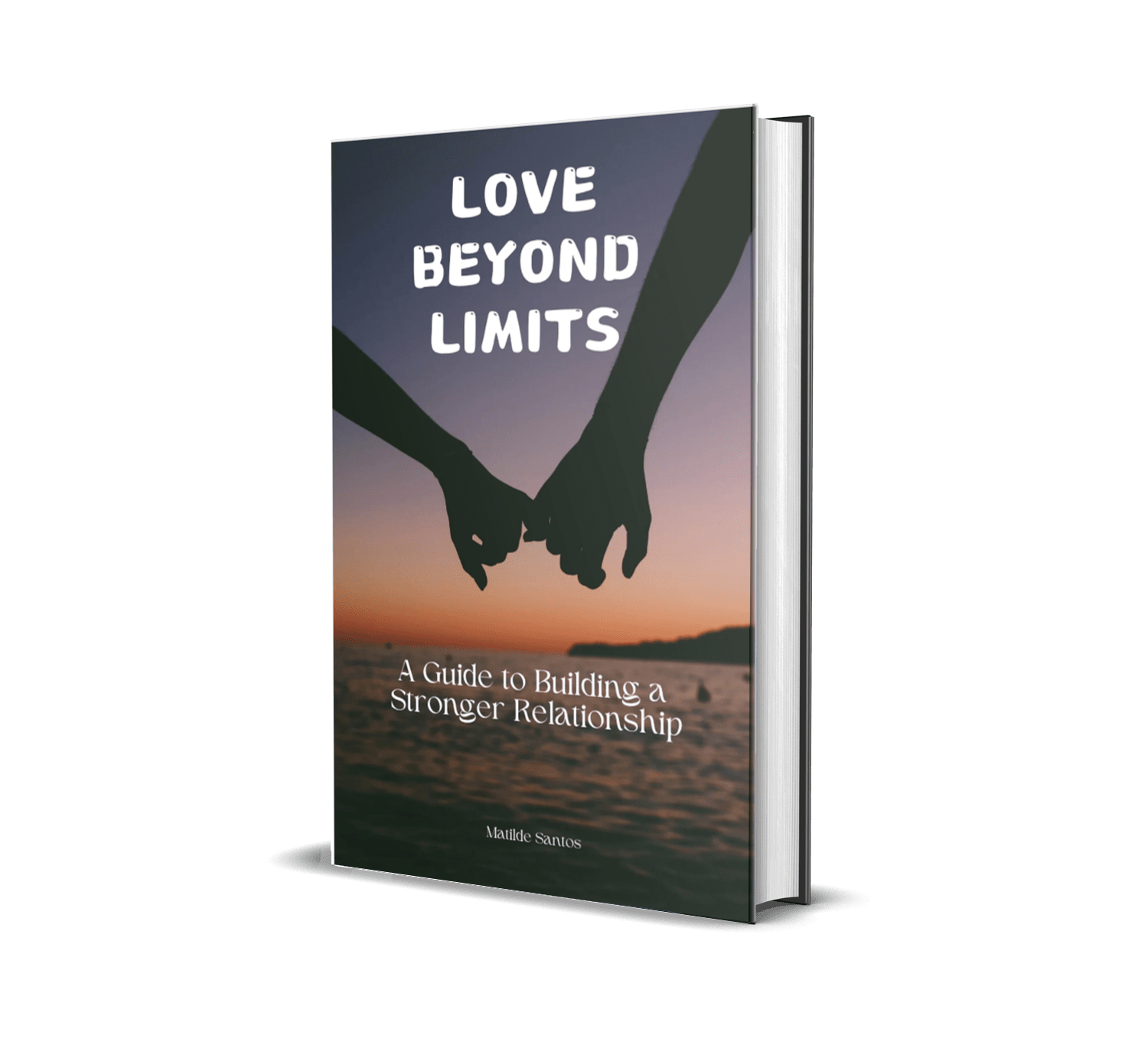
This book gently guides couples and partners through the challenges of everyday life, showing how small actions, honest communication, and consistent care can grow lasting love.
You’ll learn how to:
- See and change patterns that hold you back
- Communicate with honesty and empathy
- Repair after conflicts without shame or silence
- Build connection and trust through steady, intentional actions
After enrolling, you’ll receive a unique code to instantly download your digital copy.
Book value: $9.50
Course by;

Peter Zonbloem
Relationship & Marriage Therapist, Instructor & Writer
Hi, I’m Peter.
This course helps you become the partner you want to be — not through perfection, but through presence, honesty, and steady growth.
It offers:
• Structure — clear, repeatable tools,
• Guidance — drawn from real sessions, not theory,
• Steady support — repair, connect, and build love that lasts, one honest action at a time
Love isn’t about never failing — it’s about always returning with care, honesty, and a willingness to grow.
📧 Have a question or want to connect directly?
You can email Peter at
peter@mastersrelation.com
.
Peter personally responds to learners’ questions about the course, How to be a Better Partner
Becoming a better partner isn’t about fixing yourself.
It’s about transformation through honesty,
structure in daily actions,
and steady accompaniment — so growth feels possible,
supported by community and real motivation.
$ 99,00
-
LevelAll Levels
-
Total Enrolled2
-
Duration1 hour 20 minutes
-
Last UpdatedFebruary 16, 2026
-
CertificateCertificate of completion
Material Includes
- Video lessons
- Interactive worksheets
- Practical exercises
- Guided reflection prompts
- Real-life case studies
- Certificate of completion
Requirements
- Device with Internet access
- Basic English understanding
- Willingness to reflect, practice active listening, and engage in personal growth
Target Audience
- Couples or individuals seeking deeper connection
- Professionals and therapists wanting practical communication tools
- Anyone committed to improving relationships and personal growth
$ 99,00
-
LevelAll Levels
-
Total Enrolled2
-
Duration1 hour 20 minutes
-
Last UpdatedFebruary 16, 2026
-
CertificateCertificate of completion
Welcome to MastersRelation.com
MastersRelation.com is a meeting ground between individuals, couples, and professional therapists.
Our mission is simple yet deeply meaningful: to support people in overcoming emotional, relational, and personal challenges, clearing the path toward inner peace, healthy connection, and personal fulfillment. We do this through exclusive online courses, free quizzes, guided exercises, and thoughtfully written books, all created by experienced psychologists and therapists.
For individuals and couples, we offer high-quality tools designed to increase self-awareness, improve communication, and foster personal growth.
For professional therapists and psychologists, our platform provides access to a growing library of evidence-based resources and practical tools to support client work and enhance therapeutic outcomes
info@MastersRelation.com